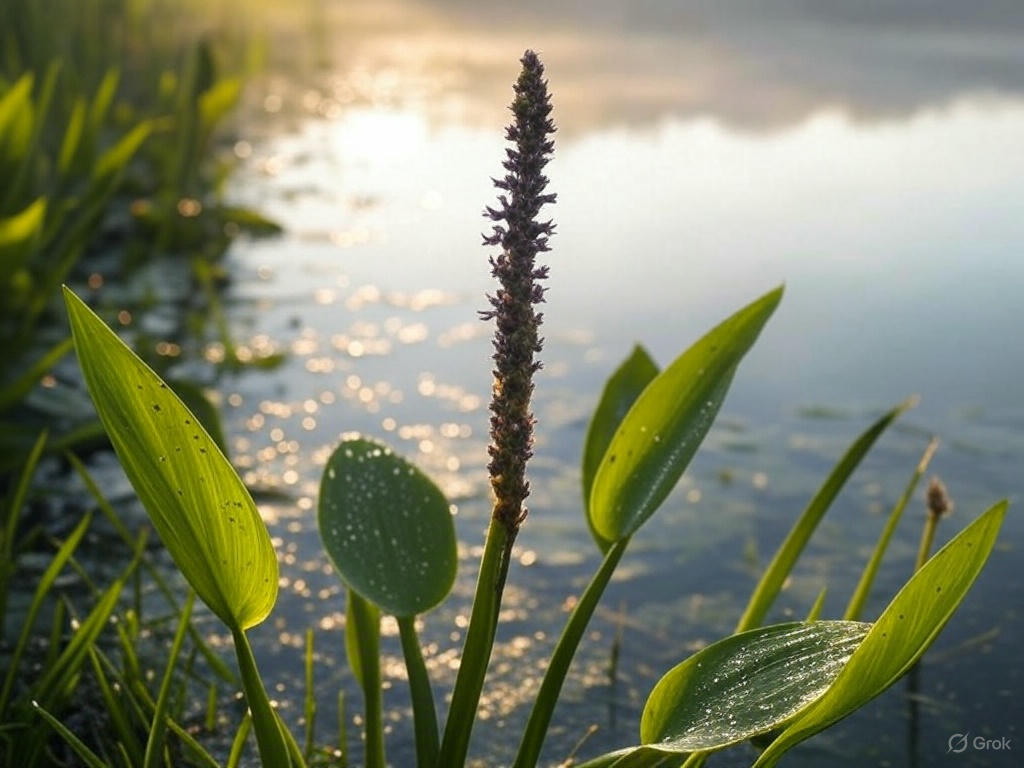
Add Height and Structure Without Allowing One Plant to Take Over
Best Tall Water Plants to Grow
Tall marginal and moisture-loving plants create vertical structure around a pond, soften hard edges and provide seasonal cover. The best choice is not automatically the tallest plant. It is the one whose mature size, root behavior, water position and hardiness match the pond you actually have.
Separate Emergent Height From Floating Surface Growth
What Is a Tall Water Plant?
A tall pond plant normally roots in wet soil or shallow water while its stems and leaves rise well above the surface. Water lilies are valuable pond plants, but their main growth spreads horizontally across the water and they are not part of the tall vertical layer.
Emergent Marginals
Roots grow in saturated media or shallow water while stems, leaves and flowers remain above the surface.
Wet-Edge Perennials
These plants prefer permanently moist soil near the pond but may not tolerate continuous deep submersion.
Vertical Structure
Upright foliage creates contrast with water lilies, low marginals and open water without necessarily covering the surface.
Contained Growth
The best garden-pond candidates remain manageable in baskets or clearly defined planting zones.
Choose a Job for Every Tall Plant Before Choosing a Species
What Tall Plants Can Add to a Pond
Tall plants can support the pond landscape, but they do not replace suitable filtration, aeration, water circulation or responsible stocking.
Vertical Background
Upright stems visually connect the pond with surrounding shrubs, grasses and garden beds.
Edge Softening
Foliage can conceal baskets, liner edges and hard construction without blocking the whole water surface.
Seasonal Flowers
Pickerelweed, iris, arrowhead and rose mallow can add flower spikes or large blooms at different points in the season.
Wildlife Structure
Stems and leaves can provide perching, shelter and emergence surfaces for insects and other small pond visitors.
Planted-Zone Uptake
Growing roots take up nutrients within their planted area, supporting the wider pond system without replacing filtration.
Seasonal Screening
Taller foliage can partially screen pumps, pipes or boundaries while preserving maintenance access.
Match Mature Size, Root Behavior and Water Position
Tall Pond Plants Worth Considering
Availability, native status and legal restrictions vary by region. Verify the exact species or cultivar before purchase rather than relying only on a common name.
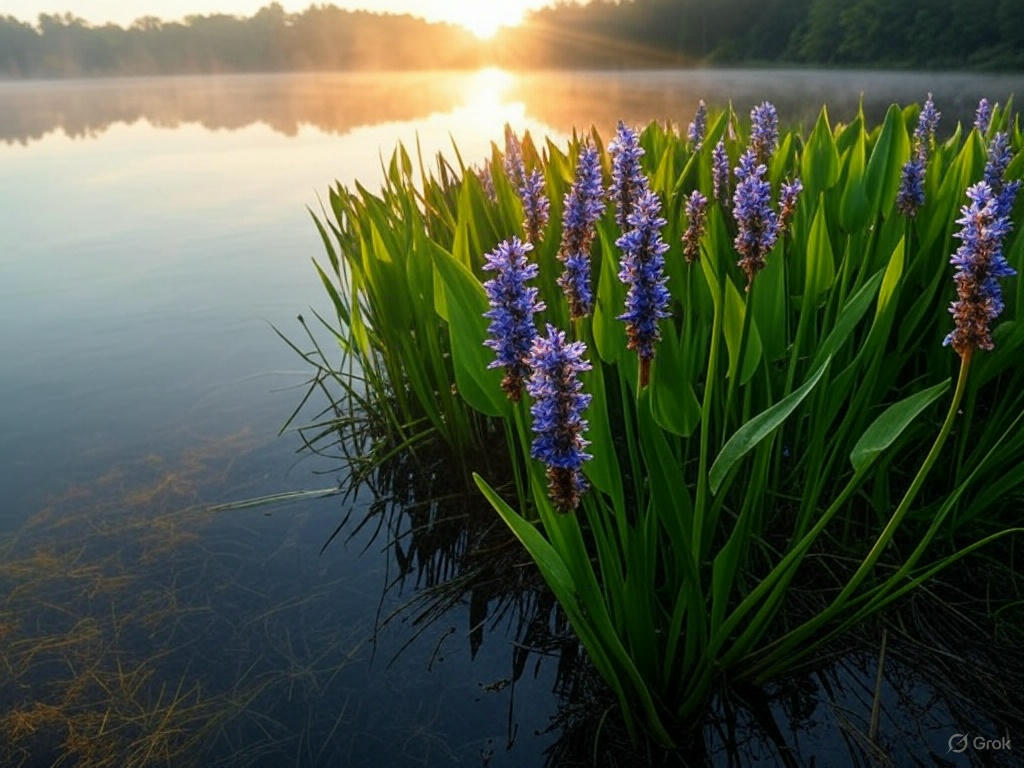
Pickerelweed
Pontederia cordataUpright leaves and blue-violet flower spikes create a strong mid-height background. It is valuable where native and suitable, but can expand through rhizomes and seed.
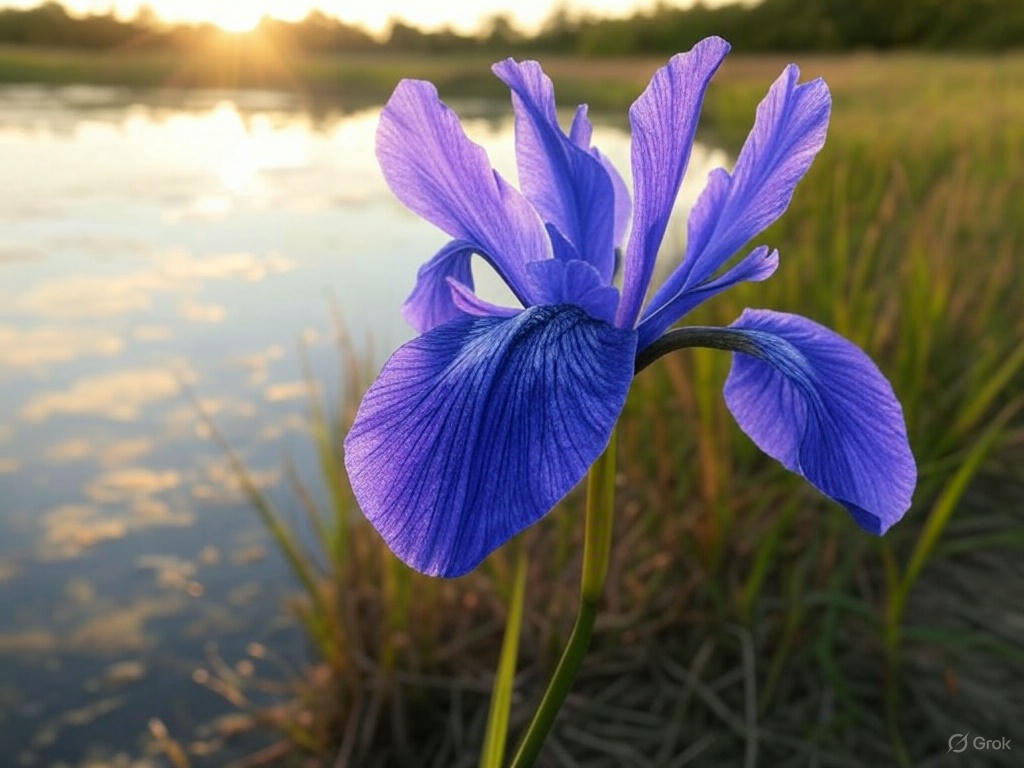
Regionally Suitable Water Iris
Iris species selected for the local regionSword-like foliage and spring or early-summer flowers make iris one of the strongest architectural pond-edge plants. Confirm the exact species because invasive status differs greatly.
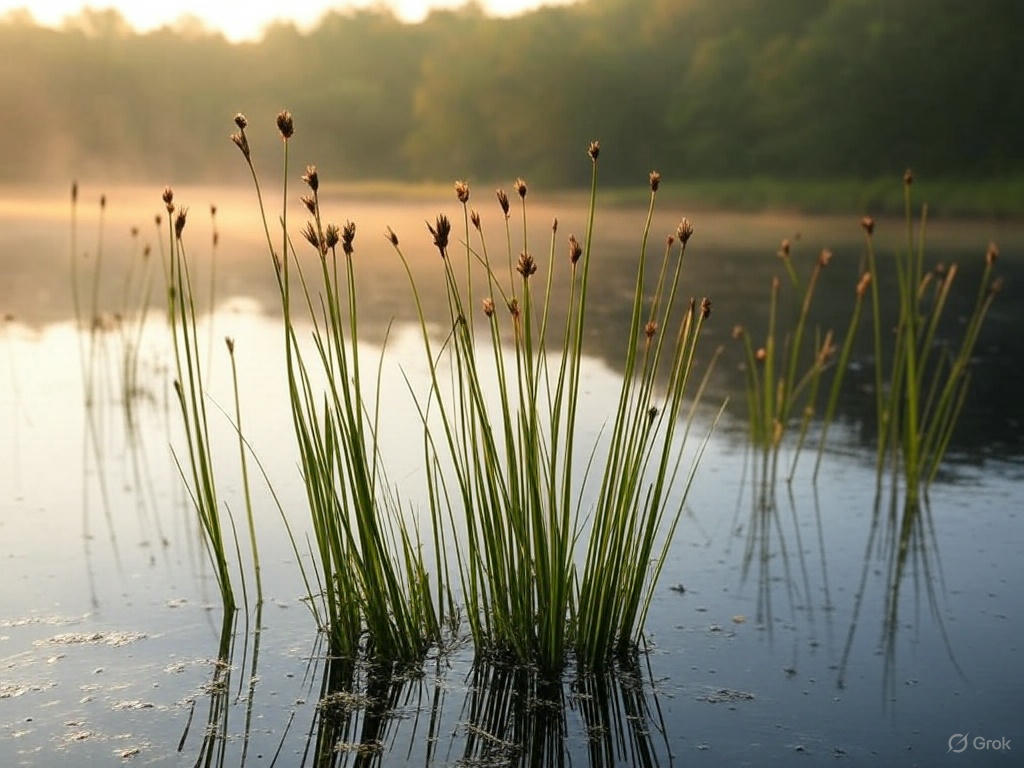
Soft Rush and Regional Rushes
Juncus speciesCylindrical stems provide calm, upright texture without large leaves. Choose a species native or well adapted to the region and divide it before the basket becomes dense.
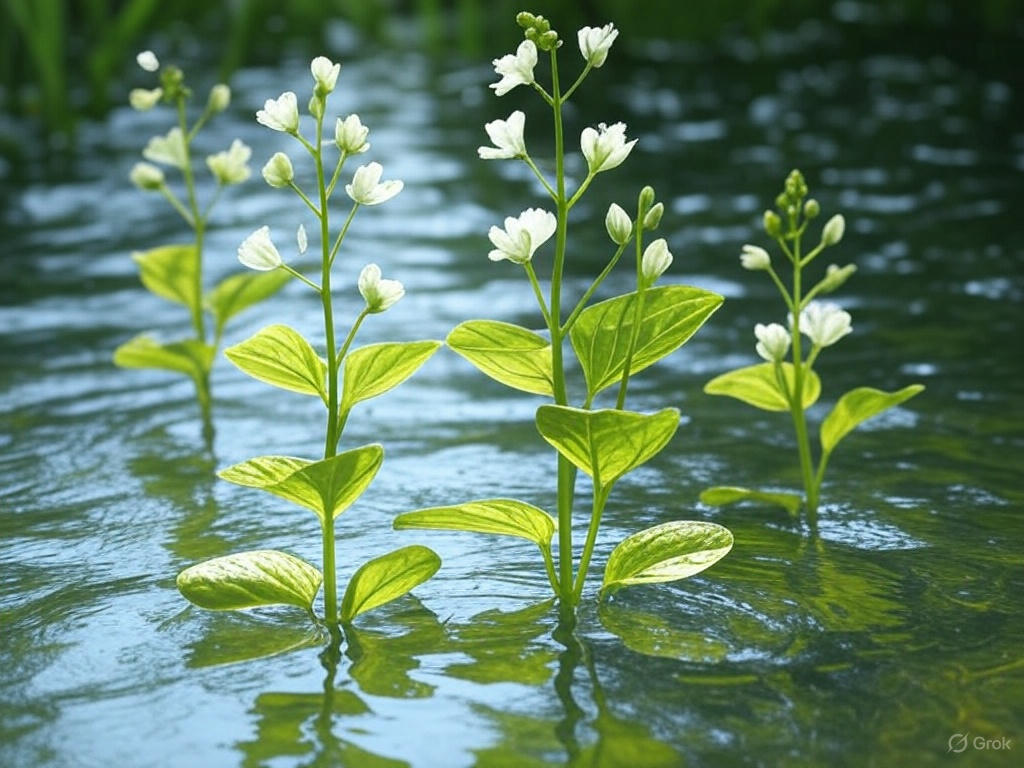
Common Arrowhead
Sagittaria latifoliaArrow-shaped leaves and white flowers add clear vertical form. It performs well in shallow water but may spread through underground growth and seed.
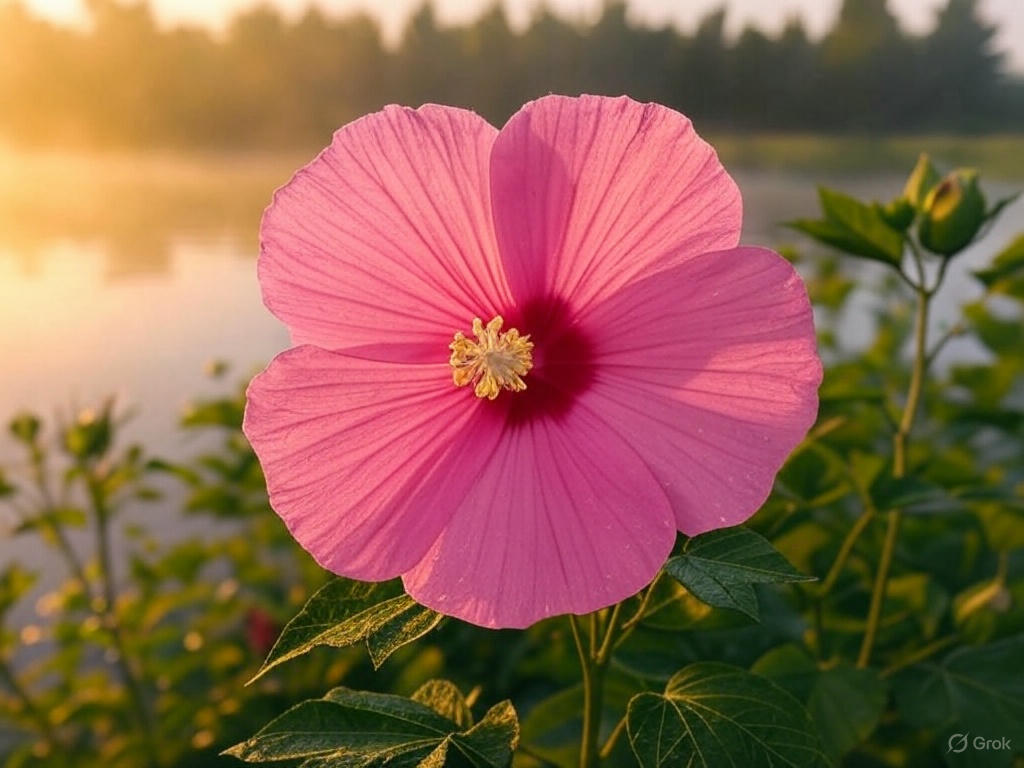
Rose Mallow
Hibiscus moscheutos and suitable cultivarsLarge late-season flowers and tall stems create a dramatic wet-edge display. Keep the crown in consistently moist soil rather than permanently deep water.
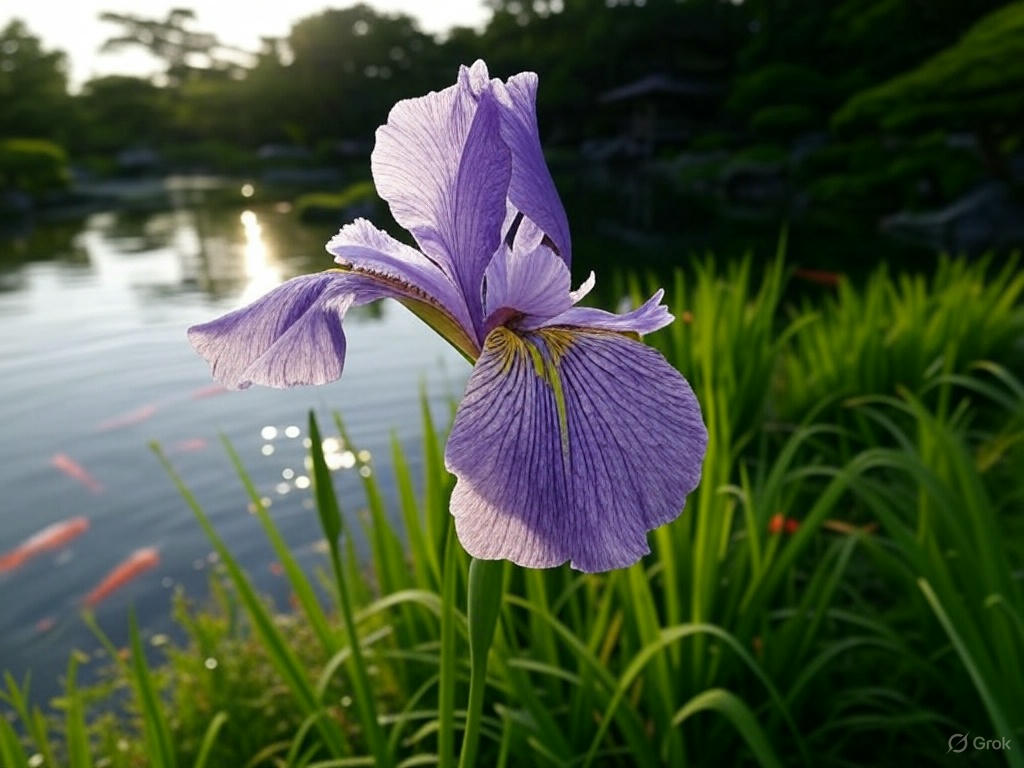
Japanese Water Iris
Iris ensataElegant flowers and narrow foliage suit a moist bank or shallow seasonal edge. It is generally better treated as a moisture-loving border plant than a permanently submerged marginal.
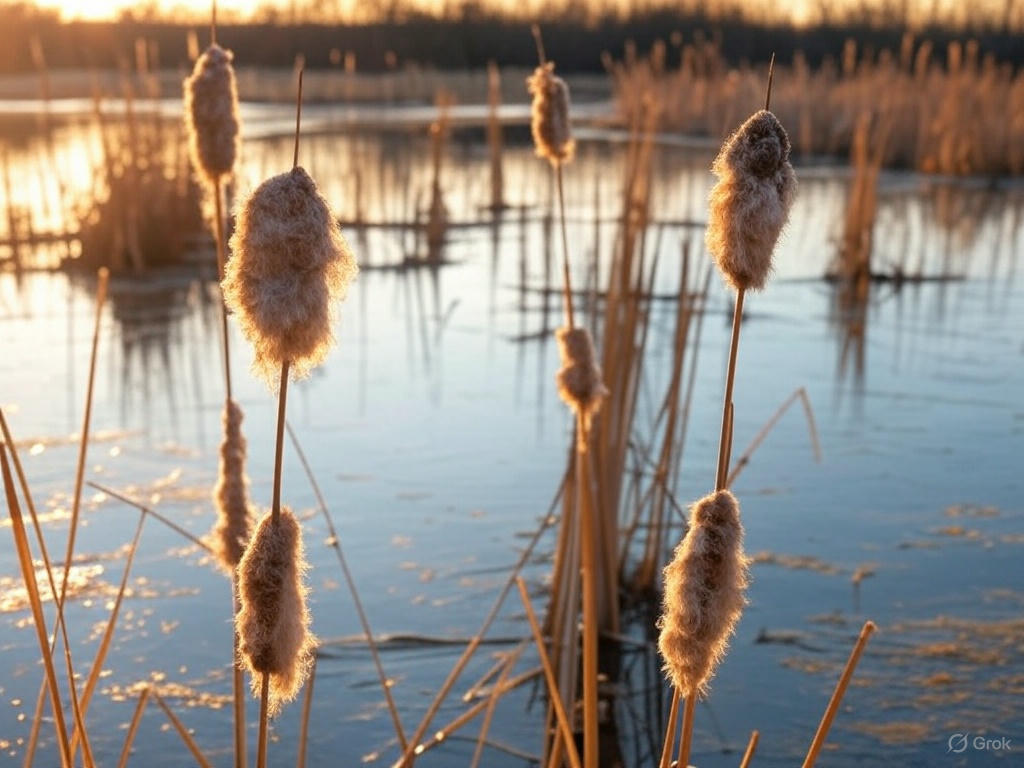
Compact Cattail Types
Compact Typha species or cultivarsCattails create unmistakable height and wildlife structure, but many become too aggressive for small ponds. Choose only compact, legal forms and keep them in strong containers.
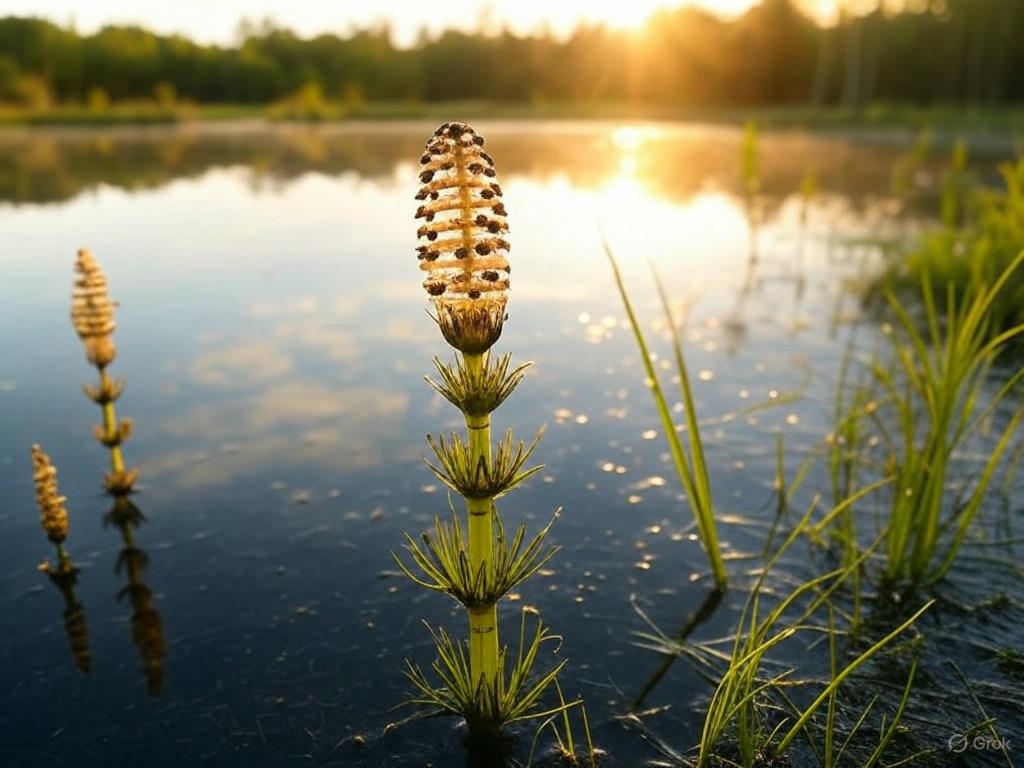
Horsetail Rush
Equisetum hyemaleSegmented stems create a distinctive architectural effect, but the rhizomes can be extremely persistent. Use a secure, inspected container and never plant it directly into an unrestricted pond edge.
Build a Shortlist From the Pond’s Real Limitations
Tall Pond Plant Selector
The result suggests plant roles and management levels rather than guaranteeing that a species is suitable for every country, climate or pond.
Build a manageable tall-plant plan
Select the conditions that most closely match the planting area and your preferred maintenance level.
Start with one contained vertical group
Select the pond conditions above to create a planting strategy, shortlist and containment plan.
Plant groups to investigate
Placement and containment
Use one broad stable basket, preserve open water and keep the planting accessible for inspection and division.
Main caution
Verify mature size, local invasive status and exact water position before purchase.
Suggested task sequence
- Measure the available planting width.
- Verify light and water depth.
- Check mature height and spread.
- Confirm local legal and invasive status.
- Start with one contained group.
Place Height Behind Lower Plants and Preserve Open Water
How to Arrange Tall Plants
Tall plants are most effective when grouped deliberately rather than distributed evenly around the entire pond.
Concentrate height in one or two areas
A defined group creates more impact than a ring of tall plants around every edge and leaves important views across the pond.
Transition with medium-height marginals
Lower iris, arrowhead, sedges or compact rushes can connect the tallest group with the water surface.
Keep circulation and maintenance routes clear
Do not allow baskets or roots to block pump access, intakes, returns, waterfalls or essential swimming space.
Treat Root Behavior as Seriously as Height and Flowers
Plants and Situations That Need Caution
A plant may be attractive in a photograph yet unsuitable for a small pond, unrestricted soil or the local environment.
Giant Reed
Arundo donax should not be presented as a general garden-pond recommendation. It is invasive or regulated in many regions and can form large persistent stands.
Full-Sized Cattails
Large Typha species can overwhelm small ponds, split baskets and colonize surrounding wet soil. Compact forms still require containment and inspection.
Horsetail in Open Soil
Horsetail rhizomes can persist after repeated removal. Use a secure container rather than unrestricted planting.
Unverified Iris Species
Some iris species are regionally invasive. Buy by verified botanical name rather than assuming every “water iris” is safe.
Rich Loose Compost
Ordinary garden compost can release fine material and nutrients into the pond. Use dense aquatic media appropriate for baskets.
Complete Edge Coverage
A continuous wall of tall growth reduces views, access and air movement and may conceal escaping roots until they are established.
Never release surplus pond plants into natural waterways.
Dispose of unwanted plants, roots, seeds and fragments according to local guidance. Invasive and legal status can differ between countries, states, provinces and even neighboring regions.
Maintain Structure Without Removing Useful Growth Too Early
Seasonal Care for Tall Pond Plants
Use plant growth and local weather rather than calendar dates alone to decide when to divide, cut back or reposition baskets.
Spring
Inspect baskets, roots and dormant crowns. Divide severely congested plants before strong growth fills the container, but allow weak or recently disturbed plants time to recover.
Summer
Monitor height, flowering, water level and escaping growth. Remove broken stems and ensure tall foliage does not block pumps, paths or surrounding smaller plants.
Autumn
Allow healthy leaves to support roots until they naturally decline. Remove soft, collapsing growth before it accumulates in the water and collect unwanted seed heads.
Winter
Hardy plants may remain dormant below the surface after top growth disappears. Confirm the plant’s actual hardiness and protect crowns according to local freezing conditions.
Verify the Plant Before It Enters the Pond
Tall Plant Purchase Checklist
Mark every item you have confirmed. A tall plant should not be chosen only because its flower or mature height looks attractive.
Complete the ten checks
The checklist is stored only for the current page visit.
Practical Answers for Choosing and Managing Vertical Growth
Tall Water Plants: Questions Answered
Use regional nursery and invasive-species guidance where it is more specific than general pond advice.
Select a question to reveal the answer
Recommendations depend on mature size, climate, water position and local regulations.
A tall pond plant normally roots in wet soil or shallow water while its stems and foliage rise well above the surface. Rushes, pickerelweed, arrowhead, water iris and some wet-edge perennials can form this vertical planting layer.
A small pond usually benefits from one contained vertical group rather than tall plants around every edge. Preserve open water, views, circulation and access to equipment.
Regionally suitable rushes, compact sedges, contained arrowhead and carefully selected water iris are often more manageable than full-sized cattails, horsetail or giant reeds. Control still depends on basket size and regular inspection.
Compact cattail types may be suitable for some medium or large ponds when planted in strong containers. Full-sized cattails can spread rapidly and are usually unsuitable for small ponds or unrestricted planting.
Horsetail can be visually attractive, but its rhizomes are persistent and difficult to remove from open soil. It should be kept in a secure container and inspected regularly.
No. Growing plants take up nutrients within their planted zones, but they do not replace appropriate mechanical and biological filtration, aeration, circulation or responsible fish stocking.
Most tall marginal plants should begin with the crown near the water surface or only slightly submerged. Exact depth depends on species, cultivar and plant maturity, so follow the nursery label where available.
Regionally native rushes, sedges, pickerelweed, arrowhead and suitable iris can provide useful stems, shelter and flowers. Native status and ecological value vary by region and should be verified locally.
Remove stems after they naturally decline or become soft and detached. Avoid cutting healthy green foliage too early because it still supports the roots and dormant crown.
Use strong accessible baskets, divide congested crowns, remove escaping roots and unwanted seed heads, and inspect nearby wet soil. Never release surplus plants or fragments into natural waterways.
Turn Individual Plants Into One Controlled Pond Design
Use Tall Plants as Structure, Not as an Unmanaged Wall
Combine one contained vertical group with lower marginals, floating-leaved plants and open water. The result remains easier to view, maintain and adapt as the plants mature.